Let’s start with this: Human beings are, in my opinion, social creatures.
True, there are differences in the levels of social engagement individuals are comfortable with, but, ultimately, there are very few people who desire no interaction with other human beings.
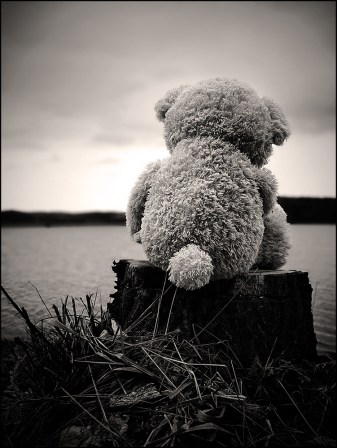
How these interactions are carried out, however, has drastically changed over the years.

(NOT a recent photo) See how much things have changed? When was the last tea party you attended?)
Today, one of the primary ways we develop relationships with others is through social media.
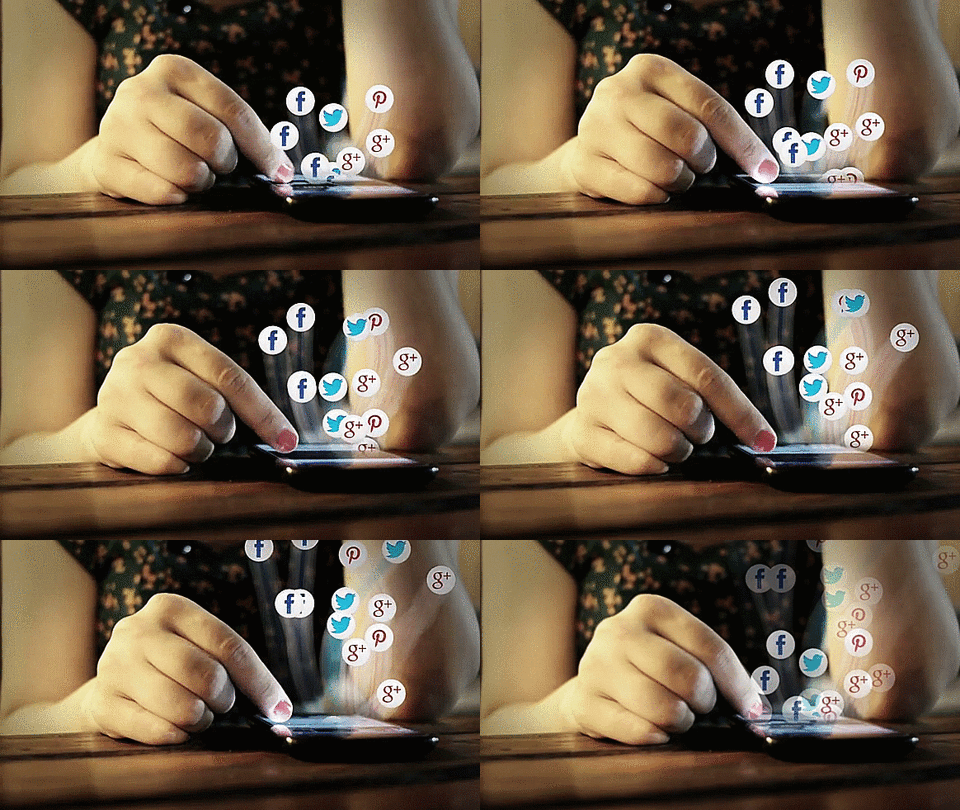
Social media, which is characterized by conversation, interaction and engagement in the digital space, allows us to build a different sort of relationship — one where participants are not burdened with some of the messy, up-close-and-personal aspects of interpersonal communication, one where geographic distance is no longer a factor, one where “depth” is not a trait considered vitally important, and one where we can interact with anyone at any time we desire. (I acknowledge that some of that comes off as a bit cynical.)
In our society, most of us likely spend as much time on these “online” social relationships, as we do engaging in our more traditional social relationships.
The obvious question is: Why?
Why is social media so prevalent in our society and why do we spend so much time on it?
I think the answer is multi-faceted.
First, its prevalence has increased because technology has developed to a point where social media is an efficient and effective way to communicate with others. Thanks to computers, smartphones, and tablets, we can now communicate with anyone, anywhere, at any time.
Second, social media allows us to let our thoughts be known (in this case, to the entire world), even when no one else is around. If we’re honest with ourselves, we can admit that we think our opinions and thoughts are important and valuable. Social media enables us to quickly let others bask in the glory of our views on an unlimited number of topics.

Third, social media enables us to live vicariously through others — including celebrities. If you think your life is boring, go online and watch videos of someone base-jumping. This is an extreme example, but I think all of us have been guilty of looking at posts made by our friends and wishing that we had as exciting a life. It is important to realize, however, that most people only post the “highlights.” There are some negative psychological effects related to judging the quality of your own life based on what you see online.
Finally, as I alluded to earlier, we are social creatures. If we’re lonely, we need only go to a social media site to instantly be involved in a conversation of our choice. No effort necessary. It can be hard to make friends in the real world, but online, all it takes is an Internet connection and a thought. I truly believe that the ease of engagement native to social media is extremely appealing to most people. Social media provides instant social gratification without having to leave the comfort of your home.
Despite the appeal and prevalence of social media today, I’m not certain it can last. There is a part of me that feels we are so consumed by it that, when we realize how dependent we have become (addicted, really), there may be a backlash. It would not surprise me if, in the future, many people decide to disconnect and begin experiencing life in the first-person again, without looking at the world through a screen. I don’t see this happening anytime soon, but I’ve thought about going “offline,” so to speak, and I expect others have as well.
 COMM ON, MAN!